

EV Maintenance Costs vs. Gas: Which is Cheaper?
EV Maintenance Costs: How Do They Compare to Gas Vehicles?
As the automotive world moves toward electrification, many drivers are re-evaluating the cost of maintaining electric vehicles (EVs) compared to gas-powered ones. At Mike Castrucci Ford, we're here to explore the true maintenance costs of EVs versus traditional vehicles, so you can make an informed decision.
Are Electric Vehicles Cheaper to Maintain?
The short answer is yes. EVs are typically less expensive to maintain than gas-powered vehicles, thanks to their streamlined design and fewer moving parts. Here's a breakdown.
Routine Maintenance
- Oil Changes: EVs don't require oil changes, a significant recurring expense for gas vehicles.
- Brake Wear: Regenerative braking systems in EVs reduce wear and tear on brake pads, leading to fewer replacements.
- Fewer Fluids: EVs lack power steering fluid and other fluids that need regular replacement in gas vehicles.
- Simpler Systems: Without components like spark plugs, timing belts, or exhaust systems, EVs require fewer repairs overall.

Replacement Costs
- Battery Longevity: While EV batteries are costly, they are designed to last for many years. Many manufacturers provide warranties for 8-10 years or 100,000+ miles, giving drivers peace of mind.
- Fewer Repairs: With fewer mechanical parts, there's less risk of breakdowns or costly replacements compared to internal combustion engines.
Long-Term Savings
The U.S. Department of Energy reports that EV maintenance costs average 6.1 cents per mile, compared to 10.1 cents per mile for gas-powered vehicles. Over time, this adds up to significant savings.
Energy vs. Fuel Costs
Switching to an EV doesn't just lower maintenance expenses-it also reduces energy costs.
- Electricity Costs: Charging an EV typically costs 3-5 cents per mile, compared to about 15 cents per mile for gas-powered vehicles.
- Annual Fuel Savings: EV owners typically spend only hundreds per year on charging, while gas vehicle owners can spend thousands.
- Off-Peak Charging: Many EVs allow you to charge during low-rate periods, further reducing energy costs.
Depreciation and Resale Value
While EVs have historically faced steeper depreciation, the market is shifting.
- Higher Resale Values: As EV adoption increases, their resale value continues to rise.
- Lower Long-Term Depreciation: EVs are beginning to retain their value better as technology advances and demand grows.
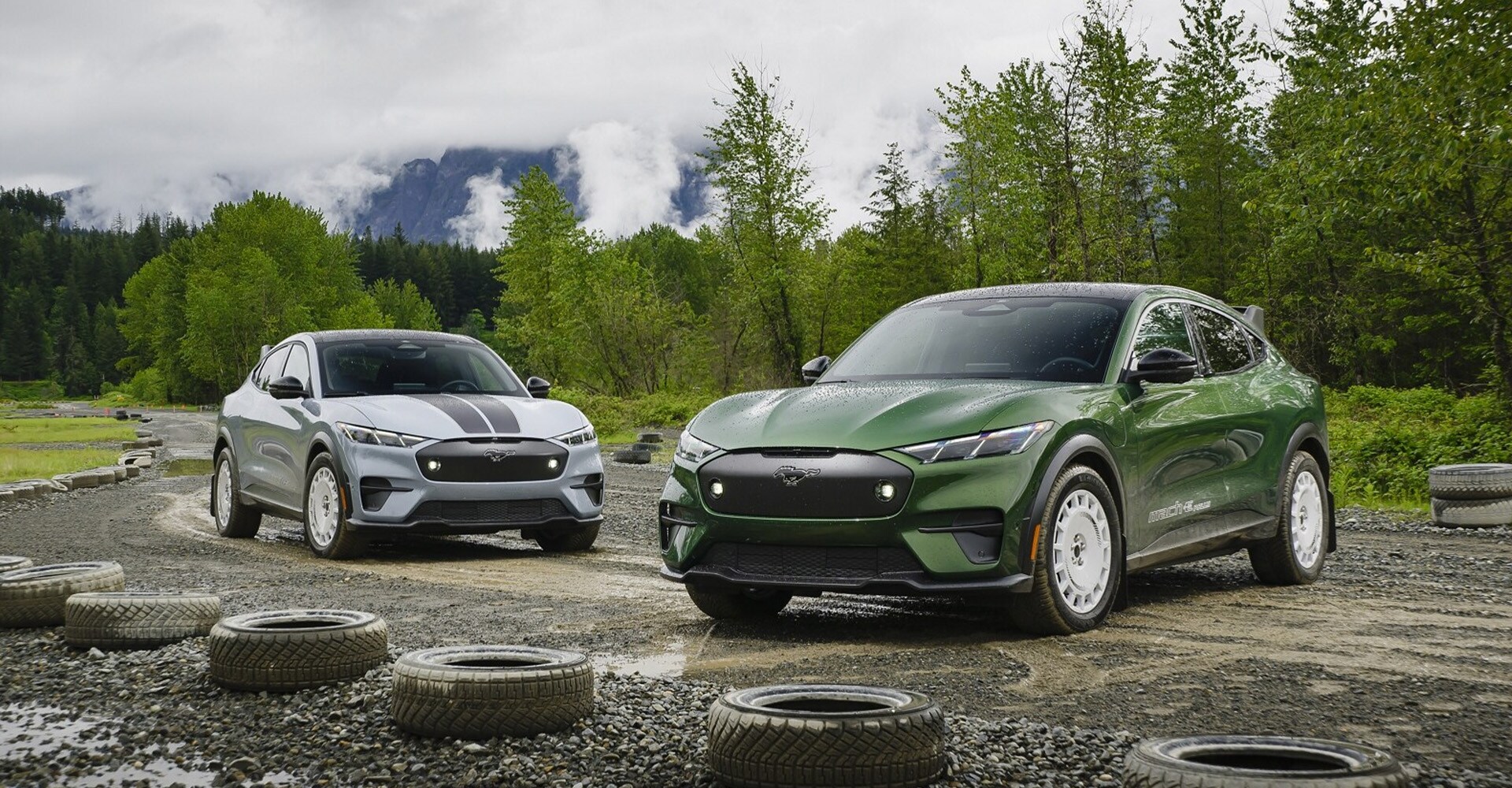
Total Maintenance Cost Comparison
When you consider the reduced need for repairs, the absence of oil changes, and lower energy costs, EVs offer clear financial benefits. A Consumer Reports study found that EVs save owners thousands of dollars in maintenance and fuel over their lifetime, compared to gas-powered vehicles.
Find Your EV at Mike Castrucci Ford
If you're ready to lower your maintenance costs and explore the future of driving, visit Mike Castrucci Ford. We have a wide selection of gas-powered and electric vehicles, and our team is here to help you compare models, calculate costs, and find the best option for your lifestyle.
Stop by today and discover why more drivers are choosing EVs for their long-term value and convenience!
-
Mike Castrucci Ford Milford
1020 OH-28
Milford, OH 45150
- Sales: 513-995-6952
Loading Map...